UPSC Civil Services Examination 2025 Result : Anuj Agnihotri Secures AIR-1 : The Union Public Service Commission (UPSC) has officially declared the Civil Services Examination (CSE) 2025 final result. This examination is considered one of the most prestigious and competitive exams in India. Through this examination, candidates are selected for top government services such as the Indian Administrative Service (IAS), Indian Police Service (IPS), Indian Foreign Service (IFS), and other Group A and Group B central services.
According to the officially released result, a total of 958 candidates have been recommended for appointment to various civil services based on their performance in the Preliminary Examination, Main Examination, and Personality Test (Interview).
In the UPSC Civil Services Examination 2025, Anuj Agnihotri has secured the All India Rank 1 (AIR-1). His outstanding performance has placed him at the top of the merit list. Following him, Rajeshwari Suve M secured the second position, while Akansh Dhull achieved the third rank in the examination.
The success of these candidates highlights the dedication, discipline, and hard work required to crack one of the toughest examinations in the country.
UPSC CSE 2025 Top 10 Rank Holders
As per the merit list released by UPSC, the top 10 rank holders of UPSC CSE 2025 are:
- Anuj Agnihotri
- Rajeshwari Suve M
- Akansh Dhull
- Raghav Jhunjhunwala
- Ishan Bhatnagar
- Zinnia Aurora
- A R Rajah Mohaideen
- Pakshal Secretry
- Astha Jain
- Ujjwal Priyank
These candidates have secured their ranks after competing with thousands of aspirants across the country.
Every year, lakhs of candidates apply for the UPSC Civil Services Examination, but only a small number of candidates make it to the final selection list. This makes the exam extremely competitive and prestigious.
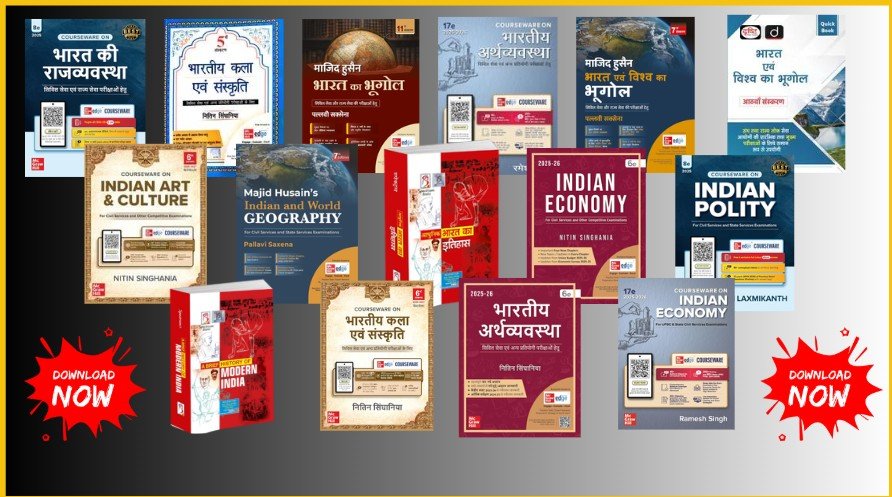
Download UPSC Latest Edition 2026 Books PDF : Click Here
Total Candidates Selected
The UPSC Civil Services Examination 2025 result shows that 958 candidates have been recommended for appointment to various civil services of the Government of India.
The category-wise distribution of selected candidates is as follows:
- General Category – 317 candidates
- Economically Weaker Section (EWS) – 104 candidates
- Other Backward Classes (OBC) – 306 candidates
- Scheduled Castes (SC) – 158 candidates
- Scheduled Tribes (ST) – 73 candidates
These candidates will now be allocated different services based on their ranks, preferences, and availability of vacancies.
Vacancies in Civil Services
According to the information released by the government, a total of 1087 vacancies were reported for the Civil Services Examination 2025.
These vacancies include major services such as:
- Indian Administrative Service (IAS)
- Indian Foreign Service (IFS)
- Indian Police Service (IPS)
- Central Services Group A
- Central Services Group B
These services play a crucial role in the administration and governance of the country. Civil servants work in various sectors including policy making, law enforcement, foreign affairs, development planning, and public administration.
UPSC Civil Services Examination Process
The UPSC Civil Services Examination is conducted in three stages:
1. Preliminary Examination (Prelims)
The Preliminary Examination is the first stage of the UPSC exam. It consists of objective-type questions and serves as a screening test. Only candidates who qualify for the prelims are eligible to appear for the main examination.
2. Main Examination (Mains)
The Main Examination is a descriptive written exam that evaluates a candidate’s knowledge, analytical ability, and writing skills. It includes:
- Essay paper
- Four General Studies papers
- Two optional subject papers
Performance in the mains exam plays a crucial role in determining the final rank of candidates.
3. Personality Test (Interview)
Candidates who clear the mains examination are called for the Personality Test or Interview. In this stage, a panel evaluates the candidate’s personality, decision-making ability, leadership qualities, and understanding of social and national issues.
The final merit list is prepared based on the marks obtained in the Mains examination and Interview.
Preparation Strategy of UPSC Toppers
UPSC toppers generally follow a well-structured preparation strategy. Some common methods followed by successful candidates include:
Strong Basic Concepts
Most toppers begin their preparation with NCERT textbooks from classes 6 to 12 to build strong conceptual clarity.
Limited Study Resources
Instead of reading many books, toppers focus on limited standard books and revise them multiple times.
Current Affairs Preparation
Reading newspapers such as The Hindu or Indian Express daily helps candidates stay updated with current events.
Answer Writing Practice
Regular answer writing practice is essential for the mains examination. It improves writing speed, structure, and analytical ability.
Consistent Revision
Revision is considered the key to success in the UPSC examination. Toppers emphasize revising the same material multiple times.
Importance of UPSC Civil Services
The UPSC Civil Services Examination provides an opportunity for candidates to serve the nation through administrative roles. Officers selected through this exam play a vital role in policy implementation, governance, and public welfare.
Positions such as IAS, IPS, and IFS are considered among the most prestigious government jobs in India.
Conclusion
The UPSC Civil Services Examination 2025 result has once again highlighted the dedication and determination of aspirants across the country. Anuj Agnihotri securing AIR-1 is a remarkable achievement and an inspiration for millions of UPSC aspirants.
The success of the toppers demonstrates that with the right strategy, consistent effort, and determination, it is possible to achieve success in one of the toughest examinations in India.
The UPSC result not only celebrates the achievements of the selected candidates but also motivates future aspirants to pursue their dreams of becoming civil servants and contributing to the nation’s development.